CAFE MENU DEVELOPMENT
Can Tieguanyin replace coffee on a cafe menu?
Tieguanyin can give a cafe a tea-led alternative for aromatic brewed drinks, milk tea, cold brew and sparkling serves. The right way to evaluate it is by finished beverage performance, not by treating tea and coffee as identical ingredients.
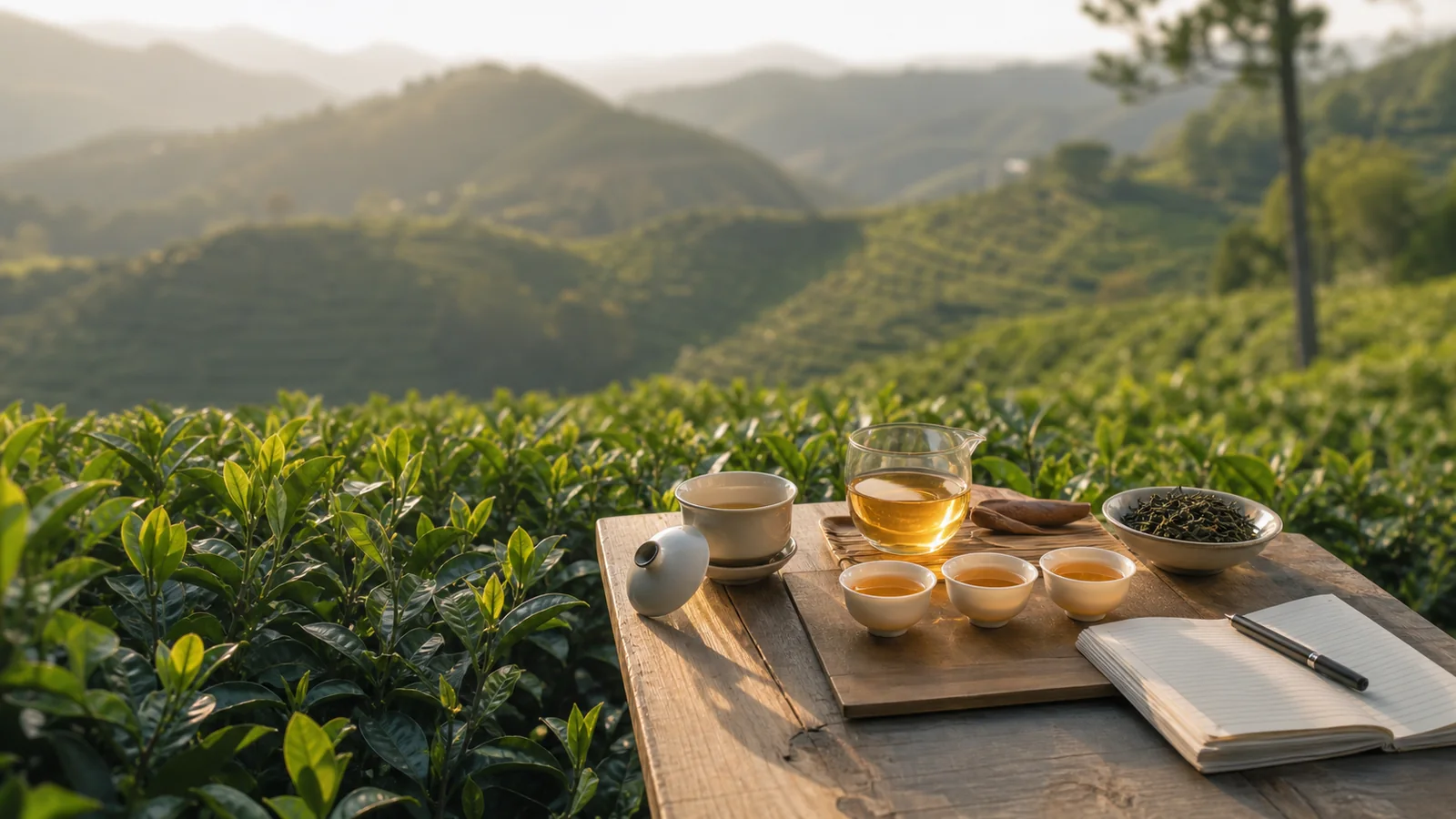
Why cafes test Tieguanyin as a coffee alternative
Tieguanyin offers a different beverage experience: floral or roasted aroma, a tea-sized serving, and a base that can move between hot, iced, milky, fruity and sparkling formats. This makes it useful for cafes that want a second brewed-drink route without turning every new drink into a coffee recipe.
The purpose is not to promise a fixed caffeine outcome. Tea caffeine varies with leaf material, dose, water temperature, extraction time and serving size. Use verified product information or laboratory data for any caffeine statement made to customers.
A simple three-drink evaluation
- Clean cold brew: evaluate aroma, clarity, finish and dilution after chilling.
- Light milk tea: check whether the tea remains identifiable after milk, ice and sweetener are added.
- Sparkling tea tonic: compare tea intensity, citrus balance, carbonation stability and speed of service.
What a buyer should record
Record every test: tea SKU, grams of dry tea, water weight, water temperature, extraction time, finished concentrate yield, dilution ratio, milk or fruit ingredients, sweetener, ice, serving size and sensory result.
This record makes the sample useful for a real menu. It also helps a small cafe compare a light-aroma Tieguanyin with a richer or roasted tea base without relying on vague words such as “strong” or “low caffeine”.
FAQ
Can Tieguanyin replace coffee in a cafe menu?
It can serve as a tea-led menu route, but it is not nutritionally identical to coffee. Caffeine and sensory results depend on the specific brew and serving.
What should a cafe order first?
Start with a small application sample and test one clean tea, one milk drink and one fruit or sparkling drink. FEISHUIJI B2B tea bases start at 500 g for application testing.
NEXT STEP
Test an oolong base in your menu.
Tell us your drink format, target flavor and market. We can route the request to a tea-base and recipe evaluation path.